
Whether you’re running a hardware shop, a boutique in Nairobi, or an online hustle, understanding your financial statements helps you stay in control and plan for the future.
This guide breaks down the three key financial statements you need to know:
- The Balance Sheet
- The Income Statement
- The Cash Flow Statement
1. The Balance Sheet (Statement of Financial Position)
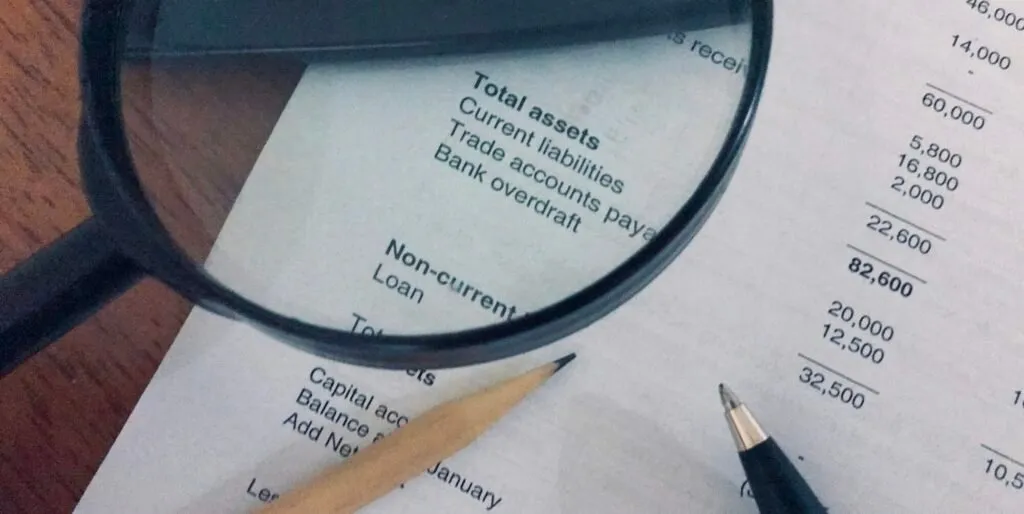
The balance sheet gives a snapshot of your business’s financial position at a specific point in time. It shows what your business owns (assets), what it owes (liabilities), and what’s left for you as the owner (equity).
Formula:
Assets = Liabilities + Equity
Key Components:
- Assets: These are the resources your business owns.
- Current Assets: Cash (including M-Pesa), inventory, receivables (money customers owe you).
- Non-Current Assets: Property, vehicles, computers, or long-term investments like land.
- Liabilities: These are debts and obligations.
- Current Liabilities: Unpaid bills, short-term loans (e.g., Fuliza or mobile overdrafts), supplier debts.
- Non-Current Liabilities: Bank loans or mortgages that go beyond one year.
- Equity: This is the owner’s share of the business.
- Owner’s Capital: Your own investment in the business.
- Retained Earnings: Past profits you’ve kept in the business.
How to Read It:
- Can you pay your bills?
Use the current ratio = current assets ÷ current liabilities. A ratio above 1 is usually safe. - Are you depending too much on debt?
Use the debt-to-equity ratio to see how much of your business is financed through loans versus your own money.
2. The Income Statement (Profit and Loss Statement)
This report shows your business performance over time—monthly, quarterly, or yearly. It tracks your revenue, expenses, and whether you made a profit or loss.
Key Sections:
- Revenue: Income from sales of products or services. For example, daily sales from a salon or wholesale orders in a hardware shop.
- Cost of Goods Sold (COGS): Direct costs of your products—like buying stock, raw materials, or packaging.
- Gross Profit = Revenue – COGS
- Operating Expenses: Rent, electricity, transport, salaries, and data bundles for running the business.
- Operating Profit = Gross Profit – Operating Expenses
- Net Profit = Final profit after taxes, loan interest, or other non-operational costs.
How to Read It:
- Are you making money?
Look at your gross profit margin (Gross Profit ÷ Revenue) and net profit margin (Net Profit ÷ Revenue). - Are your expenses under control?
If your expenses are too high compared to revenue, you may need to cut unnecessary costs. - Is your revenue growing?
Compare this year’s or month’s figures to the last to track growth.
3. The Cash Flow Statement
In Kenya, cash is king, especially for small businesses. Even if you’re profitable, you could run into problems if cash isn’t flowing properly.
The cash flow statement shows how money enters and leaves your business—especially your bank or M-Pesa balance.
Sections:
- Operating Activities: Cash received from customers and spent on daily operations like paying suppliers or staff.
- Investing Activities: Buying or selling fixed assets—e.g., purchasing a delivery bike or selling equipment.
- Financing Activities: Loans taken or repaid, capital injected, or withdrawals by owners.
How to Read It:
- Is your business self-sustaining?
If cash from operating activities is positive, your core business is healthy. - Can you reinvest?
Calculate Free Cash Flow = Cash from operations – capital expenditures. This shows how much you can reinvest or save. - Watch out for red flags:
If you’re making profit but have negative cash flow, it might mean delayed customer payments or overspending on stock.
4. How the Statements Work Together
Each statement plays a different role but connects to the bigger picture:
Statement | What It Tells You | How It Connects |
Balance Sheet | Your assets, debts, and equity | Updated as profit (or loss) changes retained earnings |
Income Statement | Your business performance over time | Profit feeds into the balance sheet’s equity |
Cash Flow Statement | Actual money in and out | Cash at the end links directly to the balance sheet |
Example:
Let’s say you run a duka. Your income statement shows KES 100,000 in monthly profit. But your cash flow statement shows you only have KES 15,000 left in the bank. Why? Because customers bought on credit, and you bought inventory in bulk. This is the kind of insight these statements reveal.



Final Thoughts
Financial statements don’t need to be intimidating. With a little practice, they can help you:
- Track your growth
- Manage cash flow better
- Make smart investment decisions
- Prepare for loan applications or investor pitches
- File taxes accurately with KRA
In Kenya’s competitive and often cash-sensitive business environment, knowing how to read and interpret financial statements gives you a clear edge—whether you’re running a kiosk, an online shop, or a fast-growing startup.
Need help creating or understanding your business financial reports?
Zidika Consulting helps Kenyan entrepreneurs and SMEs build simple financial systems that make sense. From bookkeeping to financial health reviews, we’ve got your back.
If you need support preparing or understanding your reports, explore Zidika’s financial reporting services in Kenya.